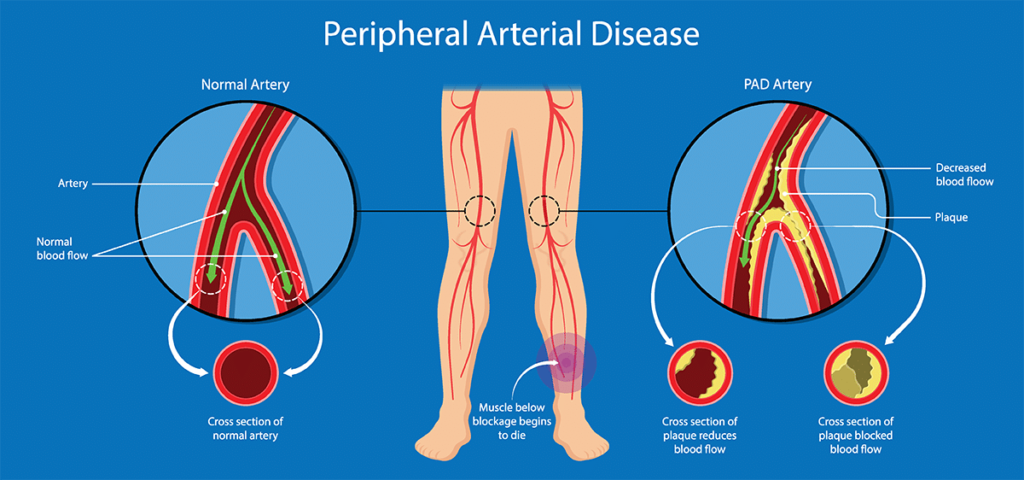
Peripheral arterial disease
Plaque narrows arteries and reduces blood flow to the legs. Symptoms may include walking pain, rest pain or wounds that do not heal.
Specialist vascular surgery · Toronto
Dr. Brandon Van Asseldonk provides assessment and treatment for arterial, venous, aortic and dialysis-access conditions, with straightforward explanations and care shaped around each patient.
Every vascular problem is different. The right plan starts with careful assessment, clear choices and sound judgment.
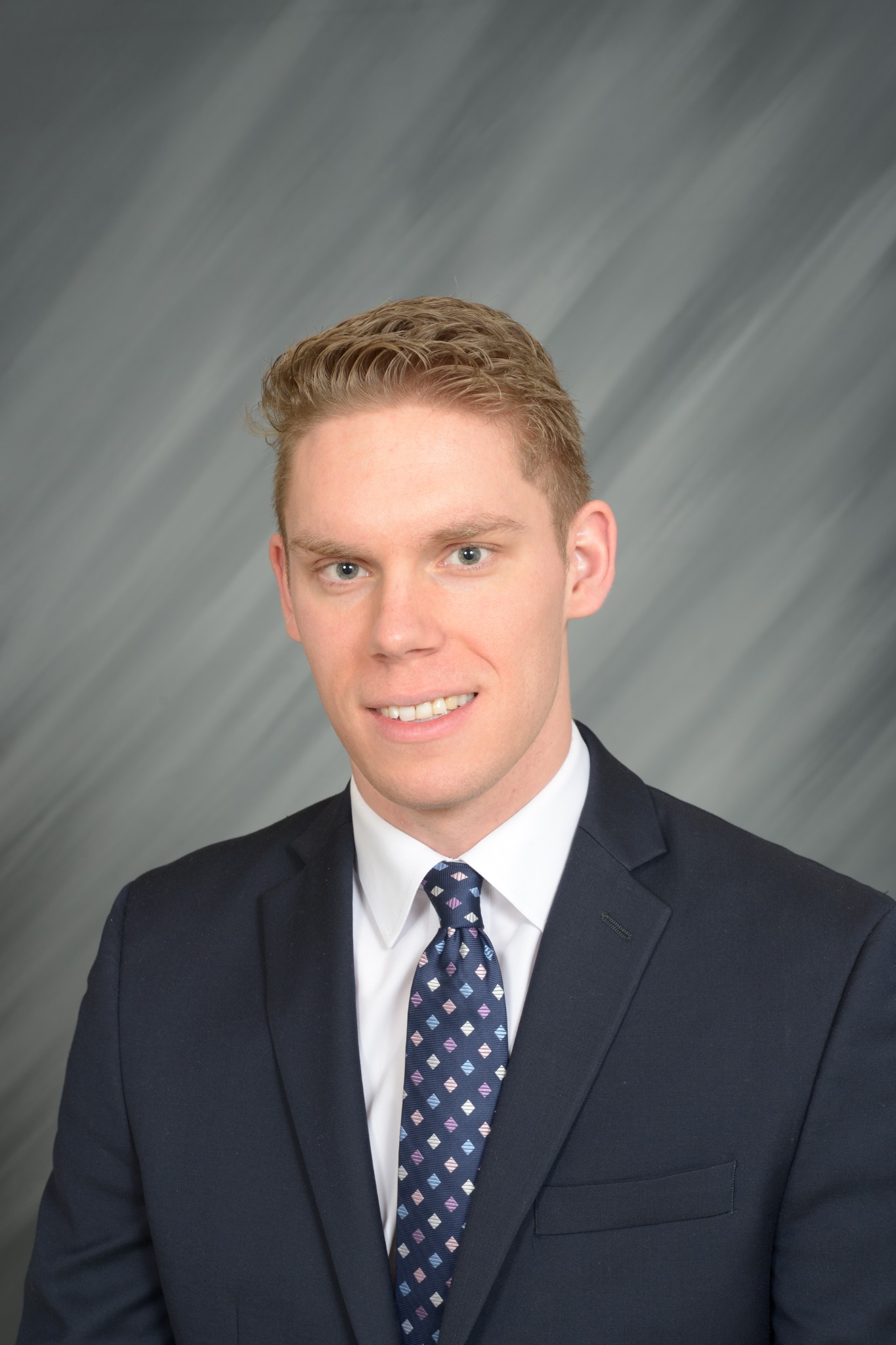
Dr. Van Asseldonk is a vascular surgeon with appointments at Scarborough Health Network and North York General Hospital. At SHN, he provides clinical services at the General, Centenary and Birchmount hospitals.
He completed medical school and integrated vascular surgery residency training at the University of Toronto. His background in mechanical engineering brings a practical, systems-focused perspective to complex vascular care.
Vascular disease can affect arteries, veins and blood vessels throughout the body. These illustrations explain several common reasons for referral.
Plaque narrows arteries and reduces blood flow to the legs. Symptoms may include walking pain, rest pain or wounds that do not heal.
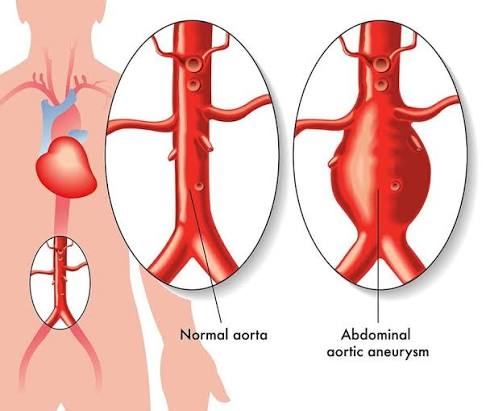
An aneurysm is an enlargement of the aorta. Imaging surveillance helps determine when continued monitoring or repair is appropriate.
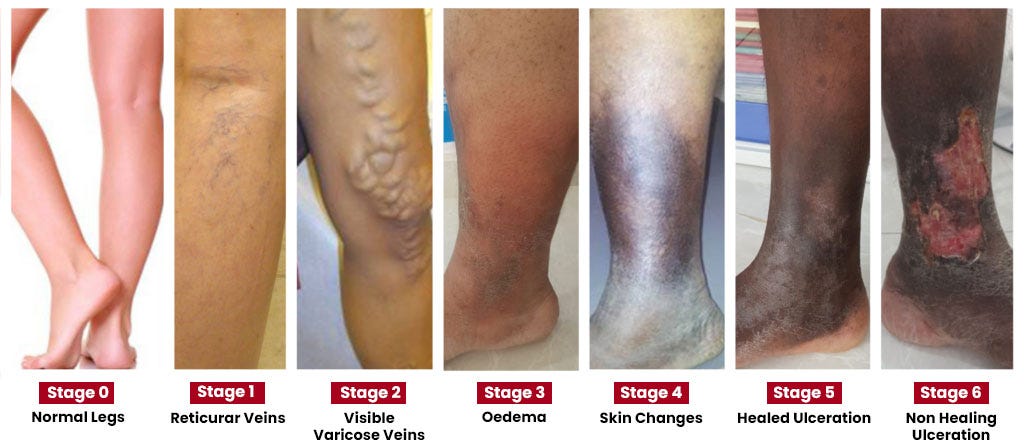
Venous disease may progress from visible veins and swelling to skin changes or ulceration and should be assessed in clinical context.
Images are for general education. Appearance alone cannot establish a diagnosis.
Not every visible vein requires intervention. Following assessment, treatment may include conservative care, a private office-based procedure, or an OHIP-insured surgical option when medical criteria are met.
Treatment recommendations and OHIP eligibility depend on symptoms, examination, ultrasound findings, medical indication and applicable provincial criteria. Private-treatment fees are discussed before booking.
Not every vascular condition requires a procedure. The first priority is understanding the diagnosis and choosing the most appropriate next step.
Clinical information and imaging are reviewed so the appointment can be prioritized appropriately.
We discuss symptoms, health history, imaging findings and how the condition affects daily life.
Options may include surveillance, medication, endovascular treatment or open surgery.
Follow-up and imaging are coordinated with the broader healthcare team when required.
Clear information helps patients recognize symptoms, understand why tests are recommended and take part in decisions about their vascular health.
Leg discomfort with walking, slow-healing foot wounds, rest pain or a cold foot can be signs of reduced arterial blood flow. Symptoms should be assessed in the context of an examination and vascular testing.
Not all varicose veins require a procedure. Treatment depends on symptoms, skin changes, ulceration, clotting history, ultrasound findings and personal goals.
Carotid plaque may narrow the arteries supplying the brain. Management depends on symptoms, the severity of narrowing, overall health and the balance of treatment risks and benefits.
Aneurysms are not always treated immediately. The decision to repair depends on factors such as size, growth rate, location, symptoms and overall health. Regular imaging surveillance may be recommended for smaller aneurysms, while larger, symptomatic or rapidly expanding aneurysms may require repair to reduce the risk of rupture.
Graduated compression can help selected patients with venous swelling and symptoms. The correct pressure and fit depend on the diagnosis, arterial circulation and ability to use them safely.
Smoking damages blood vessels and substantially increases vascular risk. Stopping is one of the most important steps a patient can take to protect circulation and improve long-term health.
A structured walking program can improve walking distance and function for many patients with claudication. A clinician can help determine whether it is appropriate and how to begin safely.
Patients can speak with their family physician or another treating clinician. Referrals should include the clinical question, relevant imaging and degree of urgency.
Medical emergency? This website is not monitored for urgent concerns. Call 911 or go to the nearest emergency department for sudden weakness, speech difficulty, severe chest or abdominal pain, or an acutely painful, cold limb.